


When VATRA launched, it finally stopped living in a vacuum of my own ideas.
I knew v1.0 wasn’t the end, but after almost two years of development, it felt like the plugin had finally left my hands as the thing I wanted it to be.
Then the customer feedback started coming in.
People liked VATRA, which was obviously a huge relief. It currently has a 5.0 rating on Gumroad, and I am very thankful for that. I believed in the plugin, but this was my first major software release, and I had no idea how people would react once they used it in their own projects.
The other surprise was how quickly the same feature requests started reappearing, and especially about features I proudly didn’t include in the first place.
Two years can still happen in a vacuum
VATRA wasn’t developed in complete isolation. I shared it with friends, artists, developers, and beta testers throughout the process. Their feedback made it a better plugin.
But there is still a big difference between showing a work in progress to people around you and releasing it to customers who have their own music, habits, DAWs, and ways of working.
During development, I was still making VATRA according to my own vision. Once hundreds of people started using it, I learned more about how customers actually wanted to use it in a couple of weeks than I could have learned by continuing to work on it privately for another few months.
That doesn’t mean the original vision was wrong at all. It only means that releasing the plugin finally brought in the part I couldn’t create myself.
The request I didn’t expect
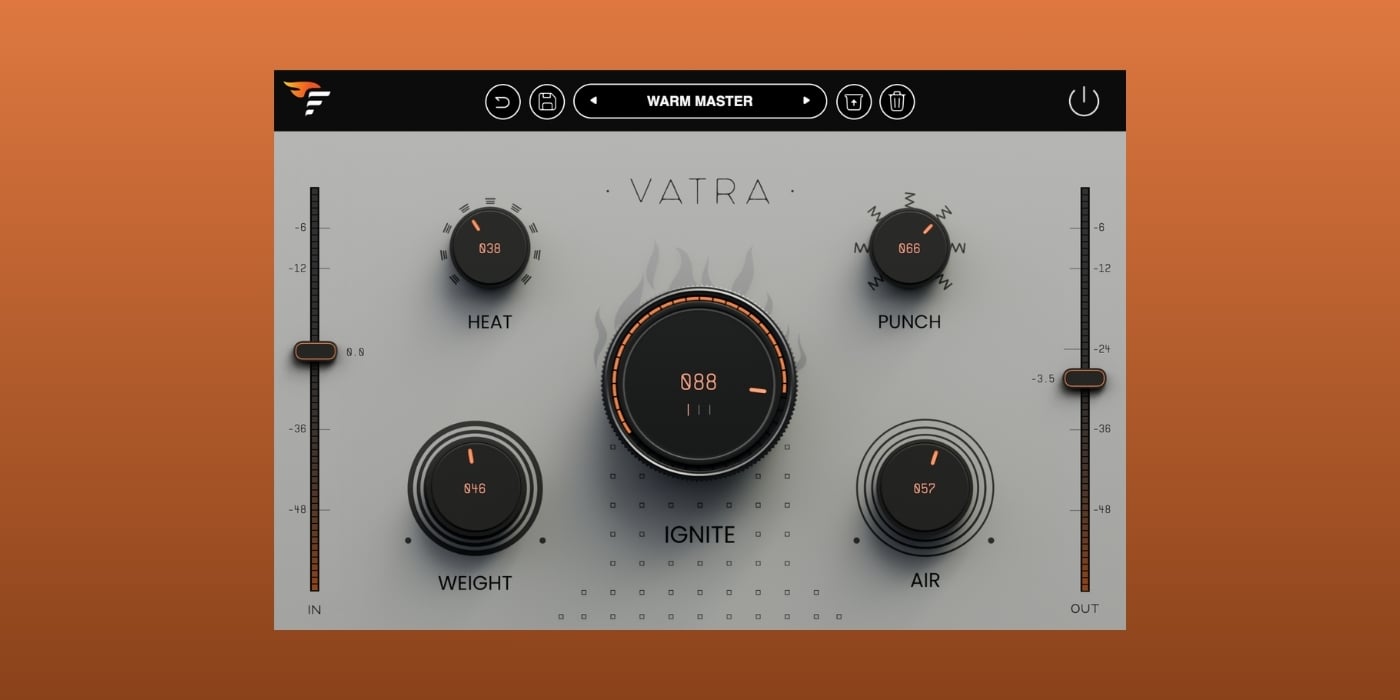
The clearest example is the value readouts on VATRA’s knobs.
Leaving out the numbers was a deliberate choice. I wanted VATRA to be an ears-first plugin. Turn a knob, listen to what it does, and stop when it sounds right. That is still how I prefer to use it.
But multiple customers asked to actually see the exact knob values, and they had a good point. Numbers make it easier to recall a setting, compare two positions, and know exactly where a knob landed during A/B testing.
So VATRA v1.1 will add value readouts.
Many customers also asked for automatic gain compensation. The new system matches the peaks of the processed and unprocessed signals, so you can hear how much loudness VATRA adds while maintaining the same headroom.
The third repeated request was AAX support. I originally planned to support VST3 and AU, but I received far more emails from Pro Tools users than I expected. AAX will be included in v1.1 too.
All of this came from seeing the same practical requests arrive from different people.
It isn’t only my plugin anymore
This has been the biggest lesson for me since launch.
You can spend years building something, work with talented people, test it carefully, and still only see it from your own side. The moment people buy it and start using it in real sessions, it becomes their tool too.
That doesn’t mean adding every feature anyone asks for. VATRA still needs a clear idea behind it, and I will not turn its five simple controls into a crowded interface.
But when several users point to the same problem, I pay attention. My job now is not only to keep building the plugin I imagined. It is to take that feedback, find what will help the most people, and make VATRA better without losing what made it VATRA in the first place.
One nice thing about an indie plugin is that there isn’t a long chain between the person sending feedback and the people working on the update. We can read a request, discuss it, test it, and move.
The positive response so far has motivated me to do that quickly. As I said when I wrote about VATRA being pirated, v1.0 was only the starting point.
VATRA v1.1 will be free for all existing customers, and future updates will remain free as well. That includes everyone who picks VATRA up at $39 this week: v1.1 lands as a free update days later.
The request list is already helping shape what comes next, but for now, I want to get this update into the user’s hands and keep listening.
VATRA is $39 until August 16.
If you want to try it first, the complete plugin is available as a free 7-day trial with no sign-up. You can download the VATRA trial here.
More info: VATRA
Last Updated on August 13, 2026 by Tomislav Zlatic.