



Loud and Punchy. At the Same Time.
Your drums sound polite.
So you add a compressor.
You push it harder.
Now they’re loud.
And flat.
The snare lost its CRACK.
The kick lost its thud.
So you back it off.
Polite again.
Do you have to choose?
No.
You can have both.
Squashed and punchy.
At the same time.
That’s parallel compression.
Also read: Compression Explained Like Wrestling a Wild Animal 🐅
Quick Summary
Parallel compression blends two copies of your drums:
👉 The dry drums — every hit, every peak, untouched
👉 The crushed drums — heavily compressed, loud and thick
Turn the crushed copy up until the drums feel bigger.
Stop before you notice the compressor.
Many engineers call it New York compression.
The dry copy keeps the punch.
The crushed copy adds the weight.
1. 🧠 Why It Works
ELI5:
A normal compressor turns down the loud parts.
That’s great for control.
But it also turns down the hits you love.
Parallel compression does the opposite.
It brings up the quiet parts.
The room.
The ghost notes.
The sustain of the snare.
The peaks stay the same.
The space between them fills in.
2. 🎛️ Set It Up in Ableton Live
Step 1
Group your drum tracks.
Or send the drum bus to a return track.
Step 2
On the return track, add Compressor or Glue Compressor.
Step 3
Set it hard:
👉 Ratio: 4:1 to 10:1 (or more)
👉 Attack: fast
👉 Release: fast to medium, in time with the groove
👉 Threshold: low, until you see lots of gain reduction
Step 4
Turn the return all the way down.
Play the loop.
Slowly bring it up.
Shortcut:
Ableton Live’s Compressor and Glue Compressor both have a Dry/Wet knob.
Set it to around 30–50% and you’ve got parallel compression on one track.
Also read: Audio Processing: How Attack and Release Time Works
⭐️ Download my Free Music Production Guides or take my free Ableton Live Course ⭐️
3. 🥁 What to Listen For
Bring up the crushed copy and listen for:
The snare getting fatter.
The room getting bigger.
The kick hitting harder at low volume.
Ghost notes you couldn’t hear before.
Then turn it off.
Did the drums get smaller?
Good.
It’s working.
Also read: The Magic Compressor Settings
4. 🧪 Try It on More Than Drums
Bass
Holds the low end steady without killing the pluck.
Vocals
Brings up breaths and small details.
A little goes a long way.
The Whole Mix
Some engineers blend a touch on the mix bus.
Careful.
Also read: Classic Compressors: 1176 vs LA-2A 💥
⚔️ Normal vs. Parallel Compression
| Normal Compression | Parallel Compression | |
|---|---|---|
| What it does | Turns down the loud parts | Brings up the quiet parts |
| Peaks | Softer | Kept |
| Feel | Controlled | Punchy and thick |
| Where it goes | On the track | On a return or with Dry/Wet |
Also read: Why Does My Kick Not Cut Through?
⚖️ Too Much vs. Too Little
Too much…
And the drums pump and breathe.
The cymbals turn into a wash.
Too little…
And you can’t hear any difference.
Just right is when you miss it when it’s gone.
🥷 Crush It. Then Blend It.
Step 1
Send your drums to a return track.
Step 2
Compress the return way too hard.
Step 3
Bring it up from silence until the drums feel bigger.
Then back it off a little.
Dry for the punch.
Crushed for the weight.
Blend for the feel.
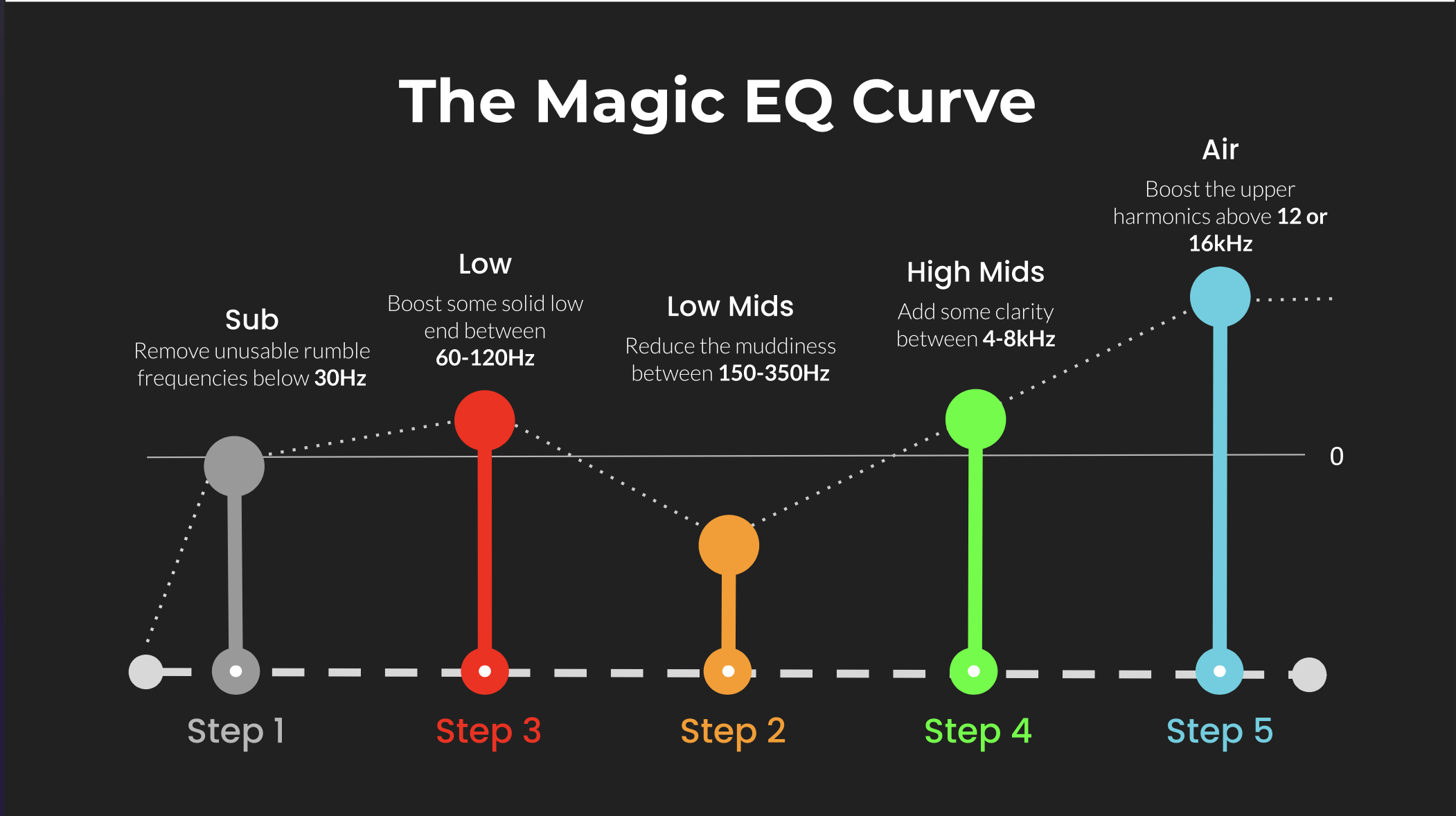 ⭐️ Download my Free Magic EQ settings Guide ⭐️

⭐️ Download my Free Magic Reverb settings Guide ⭐️
#protools #daw #homestudio #recordingschool #recording #musicproduction
Also read:
How to Start Your Own Online Business Teaching Music

Hey, I’m Futch – Music Production Coach and Ableton Certified Trainer

Learn how to make your first song and beat in Ableton Live with my
FREE 90-minute Ableton Live course
I’ve been teaching audio engineering and music production for 35 years.⭐️
Check out my new online music production program: Music Production Ninja…