



Become the Character
“I don’t know where I’m going from here,
but I promise it won’t be boring.”
— David Bowie
Some artists write songs.
Others build worlds.
David Bowie did both — by becoming someone new, again and again.
Different sounds.
Different looks.
Different voices.
Not confusion.
Design.
Quick Summary
👉 David Bowie used shifting artistic identities to explore different sounds and ideas. Creating your own identity as an artist can clarify your vision, guide your sound, and help you stand out.
Most artists try to “find themselves.”
Bowie did the opposite.
He created versions of himself.
Each identity gave him:
- a sound
- a visual style
- a point of view
- creative freedom
An identity isn’t a mask.
It’s a lens.
Ziggy Stardust
Early 1970s.
Glam rock explodes.
Bowie becomes Ziggy — a futuristic, androgynous rock star from another world.
What Ziggy Represented
- rebellion
- theatrical performance
- larger-than-life energy
- outsider identity
The Sound
- electric guitars
- bold melodies
- dramatic arrangements
The Lesson
Ziggy wasn’t subtle.
It was a statement.
Sometimes you don’t need to be understood.
You need to be unforgettable.
The Thin White Duke
Mid-1970s to 80’s.
Ziggy disappears.
A colder figure emerges.
What The Duke Represented
- minimalism
- control
- elegance
- detachment
The Sound
- tighter arrangements
- more restraint
- focused emotion
The Lesson
Contrast creates impact.
Reinvention isn’t change for the sake of it.
It’s change with intention.
1989- Early 1990s.
Bowie starts a band.
Tin Machine.
Late 1990s.
Electronic music evolves.
Bowie steps into a new world again to become the Earthling.
The Shift
- industrial textures
- drum & bass rhythms
- darker atmospheres
What This Era Represents
- curiosity
- adaptation
- staying relevant without chasing trends blindly
The Lesson
Bowie didn’t imitate.
He interpreted.
You don’t follow trends.
You translate them into your voice.
⭐️ Download my Free Music Production Guides or take my free Ableton Live Course ⭐️
You don’t need one identity.
You need a clear one — for right now.
Build Your Identity Like a Producer Builds a Track
Define:
- your sound
- your influences
- your aesthetic
- your message
Ask Yourself
- What world does my music live in?
- Who is the character behind the sound?
- What feeling do I represent?
Clarity beats complexity.
Without identity:
- every track feels disconnected
- every decision feels random
With identity:
- your choices align
- your sound evolves naturally
- your audience understands you
Finding Your Signature Sound: 9 Steps to Develop Your Unique Musical Identity
Some artists fear identity.
They think it’s fake.
Bowie proved something else:
Identity is a tool for discovering truth — not hiding it.
Q: Do I need a persona like Bowie?
A: Not necessarily — but defining your identity helps.
Q: Can I change my identity over time?
A: Yes — evolution is part of the process.
Q: What if I don’t know my identity yet?
A: Start simple — it will become clearer through action.
Q: Is identity just visual?
A: No — it’s sound, message, and feeling.
Bowie didn’t wait to “find himself.”
He created himself — again and again.
You don’t need 1000 identities.
You need one clear direction — right now.
Start there.
And evolve when it’s time.
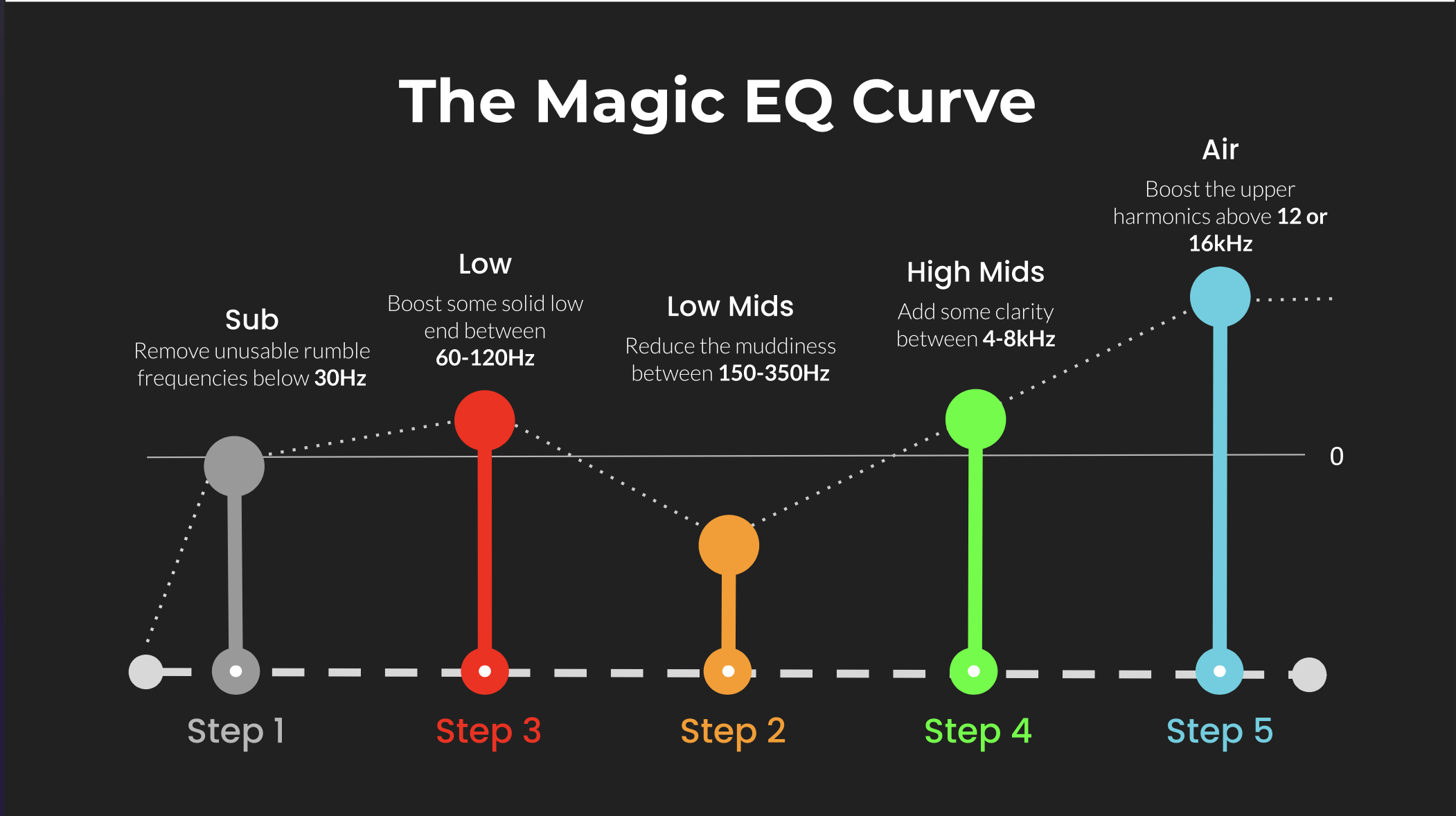 ⭐️ Download my Free Magic EQ settings Guide ⭐️

⭐️ Download my Free Magic Reverb settings Guide ⭐️
#protools #daw #homestudio #recordingschool #recording #musicproduction
Also read:
How to Start Your Own Online Business Teaching Music

Hey, I’m Futch – Music Production Coach and Ableton Certified Trainer
Learn how to make your first song and beat in Ableton Live with my
FREE 90-minute Ableton Live course
I’ve been teaching audio engineering and music production for 35 years.⭐️
Check out my new online music production program: Music Production Ninja…