


Reverb Creates a World Around Your Sound
Close your eyes.
Clap your hands in a bedroom.
Now imagine doing the same thing in:
A bathroom.
A church.
A canyon.
Outer space.
The original clap stays the same.
What changes is everything around it.
That is reverb.
And when you’re producing music…
You get to decide whether that space sounds real.
Or completely impossible.
Download: The Magic Reverb Settings
Quick Summary
👉 Use room and chamber reverbs for realistic spaces.
👉 Use hall, plate and spring reverbs when you want more character.
👉 Short decay times usually feel closer and more natural.
👉 Long decay times create size, atmosphere and emotion.
👉 Pre-delay separates the original sound from the reverb.
👉 EQ and damping control whether the reverb sounds bright, dark, clear or muddy.
The goal isn’t maximum realism.
Or maximum weirdness.
It is choosing the right world for the song.
Reverb is the sound of reflections.
You make a sound.
It hits the walls.
The ceiling.
The floor.
Those reflections bounce around and eventually disappear.
A small room disappears quickly.
A cathedral takes longer.
Reverb plugins recreate this effect inside your DAW.
They can recreate spaces that exist…
And spaces that never could.
Delay or Reverb: What’s the Difference?
Room reverbs simulate smaller acoustic spaces.
Studios.
Bedrooms.
Live rooms.
Clubs.
They are usually:
Short.
Natural.
Subtle.
A room reverb can make a completely dry recording sound like it was actually performed somewhere.
Best For
- Drums
- Vocals
- Guitars
- Acoustic instruments
- Adding realistic space
If you want the listener to think:
That instrument is in a room.
Start here.
Hall reverbs simulate much larger spaces.
Concert halls.
Churches.
Cathedrals.
Huge imaginary rooms.
They tend to have longer decay times and more obvious ambience.
Best For
- Vocals
- Strings
- Pads
- Piano
- Cinematic sounds
A hall can take something small…
And make it feel enormous.
A plate reverb doesn’t imitate a room.
Originally, sound was sent through a large suspended metal plate.
The plate vibrated.
Those vibrations became the reverb.
The result is:
Smooth.
Dense.
Bright.
Artificial.
And beautiful.
Plate reverbs are especially famous on vocals and drums.
Best For
- Vocals
- Snare drums
- Guitars
- Synths
It doesn’t sound exactly like a real room.
That’s why we like it.
Creating Depth in Your Mix: Reverb and Delay Techniques & Settings
Spring reverb takes the idea even further.
Sound is sent through actual metal springs.
You hear the springs vibrate.
The result can be:
Splashy.
Boingy.
Dark.
Dirty.
Strange.
Spring reverbs became closely associated with guitar amplifiers and dub production.
Best For
- Guitar
- Dub
- Reggae
- Vintage sounds
- Experimental production
Spring reverb isn’t trying very hard to fool you.
It has a personality.
Decay controls how long the reverb takes to disappear.
Short Decay
Feels:
- Tight
- Close
- Controlled
- Realistic
Long Decay
Feels:
- Huge
- Distant
- Emotional
- Dreamlike
A short room might disappear in less than a second.
A giant atmospheric reverb could continue for:
Five seconds.
Ten seconds.
Thirty seconds.
Or forever.
This is one of the easiest ways to move between:
Reality.
And…
Dreamscape.
The 6-Step Magic Reverb Settings for Vocals and Snare Drums
Pre-delay creates a gap between the original sound and the beginning of the reverb.
Imagine shouting across a canyon.
You hear:
Your voice.
Then…
The reflection.
A little pre-delay can help keep vocals clear while still surrounding them with a large reverb.
Less pre-delay can make the source feel glued into the room.
More pre-delay separates the two.
Think of it as:
Together vs. Apart.
⭐️ Download my Free Music Production Guides or take my free Ableton Live Course ⭐️
Size changes how large the virtual space feels.
Small size:
Bedroom.
Studio.
Closet.
Large size:
Concert hall.
Cathedral.
Canyon.
Impossible alien temple.
But bigger isn’t always better.
Sometimes the smallest reverb makes the sound feel more believable.
Real rooms don’t reflect every frequency equally.
Soft materials absorb high frequencies.
Large spaces can build up low frequencies.
Reverb plugins let you control this.
Darken the reverb…
And it can sit behind the original sound.
Brighten it…
And the reverb becomes more noticeable.
You can also remove low frequencies from the reverb to stop the mix becoming muddy.
This is especially useful on:
Vocals.
Kick drums.
Bass.
Dense arrangements.
You don’t always need less reverb.
Sometimes you need less frequency inside the reverb.
Download: The Magic EQ Settings
If you want realism…
Imagine the room first.
Ask:
Where is this sound supposed to be?
A drum kit might need a studio room.
A string quartet might need a chamber.
A singer might need a small hall.
Keep the settings believable.
Usually:
- Shorter decay
- Natural room size
- Moderate pre-delay
- Subtle wet level
- Realistic frequency response
The reverb should create space…
Without calling attention to itself.
The listener feels the room.
But doesn’t necessarily hear the effect.
Now forget reality.
There are no rules.
Put a whisper inside a cathedral.
Put a snare inside a ten-second hall.
Reverse the reverb.
Freeze it.
Distort it.
Pitch it.
Automate the decay.
Send the reverb into another reverb.
Make a tiny synth sound like it exists inside an infinite universe.
At this point…
Reverb stops being a simulation.
It becomes sound design.
The question changes from:
Where is this sound?
To:
Where could this sound be?
Think of reverb as a spectrum.
| Realism | Dreamscape |
|---|---|
| Small room | Infinite space |
| Short decay | Long decay |
| Subtle | Obvious |
| Natural | Artificial |
| Familiar | Impossible |
| Places a sound | Transforms a sound |
Neither side is better.
A realistic room can make a recording believable.
A surreal reverb can turn one note into an entire atmosphere.
And somewhere between those extremes…
You find the space that belongs to the song.
Don’t start by asking:
Which reverb plugin should I use?
Start with a better question:
Where does this sound exist?
Is the singer standing three feet away?
At the end of a concert hall?
Inside a concrete tunnel?
Floating through a dream?
Once you know the world…
The settings become easier.
Because reverb isn’t really about adding an effect.
It is about deciding where the music lives.
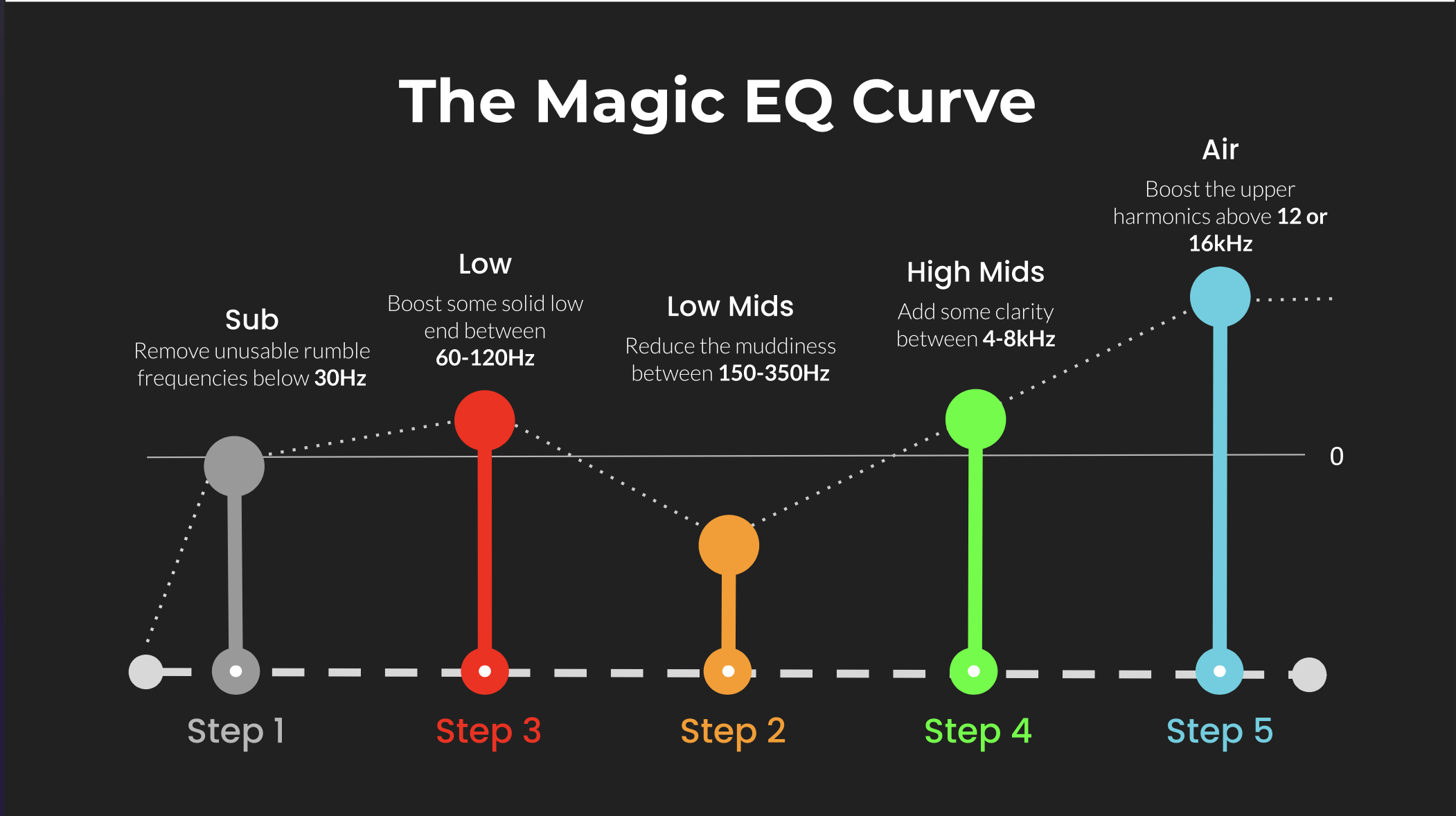 ⭐️ Download my Free Magic EQ settings Guide ⭐️

⭐️ Download my Free Magic Reverb settings Guide ⭐️
#protools #daw #homestudio #recordingschool #recording #musicproduction
Also read:
How to Start Your Own Online Business Teaching Music

Hey, I’m Futch – Music Production Coach and Ableton Certified Trainer

Learn how to make your first song and beat in Ableton Live with my
FREE 90-minute Ableton Live course
I’ve been teaching audio engineering and music production for 35 years.⭐️
Check out my new online music production program: Music Production Ninja…