


The world of music is changing faster than ever. New tools, new platforms, and new ways of listening are shaping how songs are created and consumed.
At the heart of all this change is sound engineering, the hidden art and science that makes music connect with listeners everywhere.
Something that is done by professionals back then, which is then done by bedroom producers. And now, over the five years, sound engineers won’t just be mixing and mastering. They’ll be redefining how we experience sound itself.
Let’s take a look at the biggest trends that will shape the future.
1. The Rise of Immersive Audio
I remember mixing and optimizing for stereo. I would listen back to my music in mono, making sure it sounds good (because people listen to music on mobile phones).
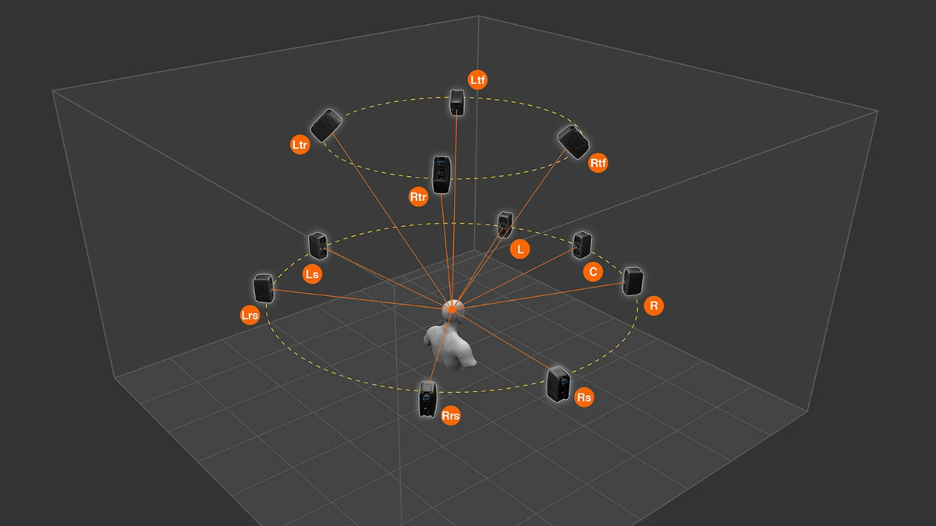
But moving forward, stereo is no longer the end goal. With formats like Dolby Atmos and spatial audio, listeners expect music to surround them.
Streaming platforms are already pushing immersive mixes, and artists are eager to deliver this new experience.
For sound engineers, this means learning how to place instruments and mixing for a 3D space, not just left and right. Mixing for headphones, cars, and clubs simultaneously will become standard practice.
Modern sound engineering courses today are training students to think in three dimensions, because immersive sound is here to stay, as more listeners crave new experiences.
2. AI-Assisted Production and Mixing
Artificial intelligence is moving from a buzzword to a daily tool. From mastering services to stem separation, AI is speeding up technical tasks.
But in case you have AI anxiety, know that AI won’t replace human creativity. What it will do is free up engineers to focus on the artistic side.
Here’s what we see happening in the next five years. AI will be tightly integrated directly in DAWs, offering real-time suggestions and adaptive processing. Sound engineers who know how to combine AI’s speed with human judgment will have a huge advantage.
The key is not to fight how AI is growing, but learn it and become an AI-powered audio engineer.
3. Sustainability in Studio
The thing about AI and technology, is that it consumes a lot of electricity.
With this in mind, studios and event spaces are becoming more mindful about energy and waste. From energy-efficient equipment to smarter use of resources, even an industry as niche as sound engineering is going green.
Independent and professional studios alike are adopting sustainable practices, and artists are paying attention to where their music is made. Even listeners are supporting artists and professionals who put some thoughts into green practices (no more printing CDs, etc.)
Future engineers will need not only technical skills but also awareness of eco-friendly workflows, something we rarely talked about even five years ago.
4. The Blending of Live and Studio Worlds
Live sound and studio sound used to feel like separate fields. Professionals from the different discipline use to argue about what’s right or wrong when it comes to mixing.
But now, more artists are blending them, using live recordings in studio tracks, streaming performances directly from the studio, and even designing concerts with immersive mixes in mind.
Ironically, as we become more digitised with technology, the more people start craving for in-person experiences.
For sound engineers, this means having versatility, so you could serve digital and in-person audiences. The best professionals will know how to capture the energy of a live set and polish it with studio precision. Courses in sound engineering are already shifting to train students across both worlds.
5. The Growing Role of Content Creation
Music no longer lives only on albums. Snippets, stems, and alternate mixes are being designed for reels, TikTok, and YouTube content. In fact, that is the method some swear by to market their music.
Engineers are adapting by creating multiple versions of the same song, optimized for different platforms and audiences. In other words, a sound engineer in 2025 and beyond isn’t just making a track sound good on headphones or speakers. They’re making sure it works across dozens of listening spaces, from club speakers to 15-second phone clips.
The more aware you are about how consumers are consuming music content, the more relevant you’ll stay as an audio engineer.
Takeaway
The next five years will bring exciting opportunities for sound engineers. Immersive audio, AI, sustainability, live integration, and platform-driven mixing will all shape how we hear music.
But one thing won’t change: the human touch. Technology will evolve. AI technology is progressing at a scary pace, but the creativity and instincts of a skilled sound engineer will always matter at the end of the day. For students, this is the perfect time to learn and adopt the growing technology. Start with a proven sound engineering course that prepare you not only for today’s tools, but the mindset to adopt tomorrow’s innovations.