
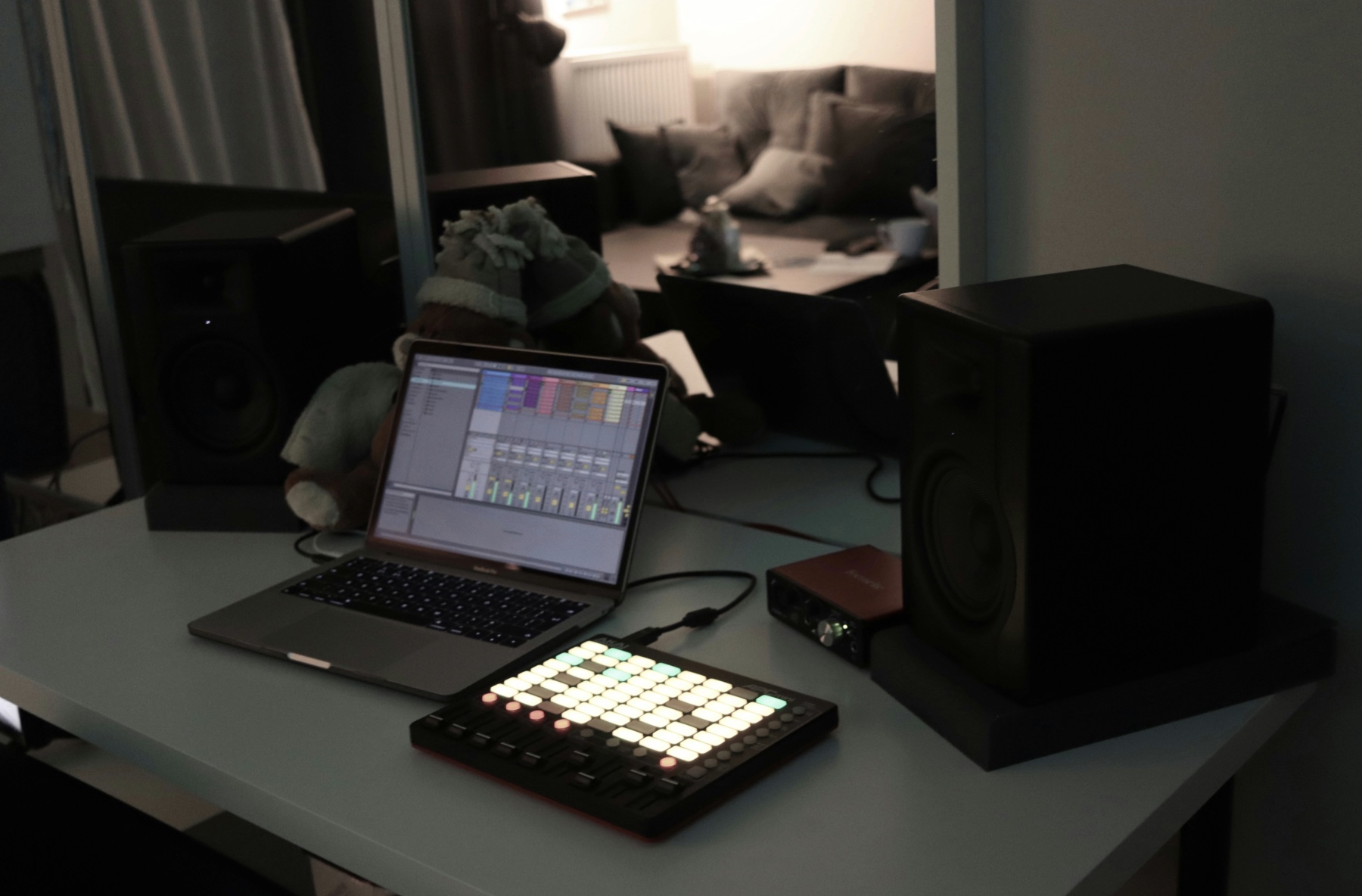

A messy sample library slows down your creativity. When you spend more time searching for a snare than actually producing, you lose momentum and ideas fade. A well-organised sample collection removes distractions and lets you focus on making music, not digging through folders.
Whether you make beats at home or produce full projects in a studio, a clean sample library gives you three major advantages:
- Faster workflow
You can find sounds instantly instead of breaking your creative flow.
- Better sound choices
When samples are organised by type, style, and quality, you reach for the right sound more often.
- Less clutter and frustration
Trying to remember which pack had that perfect clap wastes time and mental energy. Good organisation solves that.
The goal here is not to create a complicated system. The best sample library setup is simple, clear, and easy to maintain. This guide will help you build a structure that works for any genre and any DAW, whether you produce house, hip hop, pop, drill, or cinematic sound design.
By the end, you will have a workflow where your ideas can move fast from inspiration to finished track.
Build a Simple Folder Structure That Works for Any Producer
The easiest way to stay organised is to create a clear folder system before you start sorting samples. The structure below is simple, scalable, and keeps sound types separated so you can find what you want fast.
Recommended Folder Structure
- Samples
1.1 Drums: Kicks, Snares, Claps, Hi Hats, Cymbals, Percussion, Drum Loops, Fills & Rolls
1.2 Melodic: Synths, Keys, Guitars, Pads, Strings, Brass/Wind, Melodic Loops
1.3 Bass
1.4 Vocals: Vocal One Shots, Vocal Loops, Vocal FX
1.5 FX: Risers, Impacts, Sweeps, Drops & Tranitions, Atmos & Textures - Genre Packs: Hip Hop, House, Techno, Trap, Pop
- One Shots
- MIDI
- Multi-Sapmples
- Favourite Sounds
Why This Works
- By instrument first
Most producers search by type before genre. You will find what you need faster.
- Break genre into its own space
If a pack is built around a specific style, keep it separate for inspiration.
- “Favourites” for speed
Any time you love a sound, copy it into your Favourites folder. This becomes your go-to crate for production.
Tips When Naming Files
- Keep names short and clear
- Include key and BPM when relevant (if not already labelled)
- Try formats like: Kick_Punchy_808.wav, Pad_Atmospheric_Cm_120bpm.wav
If a file already has useful info, do not rename it. The goal is clarity, not extra work.
Keep It Simple
You do not need 20 subfolders inside every category. Start with broad groups. If you see one folder getting overloaded, then you can break it down.
The best system is one you can update easily every day.
Tagging and Naming Samples the Smart Way

Even with a clean folder structure, tagging and naming help you find sounds fast without digging through folders. This is especially useful once your library grows into tens of thousands of files.
Why Tagging Matters
When your DAW or browser can search words like warm, analogue, trap, glitch, or female vocal, you save time and work faster. Instead of scrolling, you type and go.
What to Tag
Focus on tags that describe the sound and the function, not random adjectives you will never remember.
Useful tags include:
- Instrument type: kick, snare, pad, bass, vocal
- Tone/character: warm, bright, punchy, dark, airy, gritty, clean
- Genre: trap, house, ambient, drill, techno, pop
- Playing style: staccato, pluck, sustained, one-shot, loop
- Context: intro, drop, riser, transition, fill
- Key/BPM (if not auto-detected)
Example tag set:
Snare, punchy, trap, bright, one-shot
How to Tag Efficiently
Do not tag every sample in your library. Tag as you go.
- New pack downloaded? Tag the best sounds only.
- Found a sound you’ll use again? Tag it right then.
- Making a track? Tag samples you actually use.
This builds a useful library over time without drowning in admin.
Recommended Tools for Tagging
These tools make organising painless:
| Tool | Platform | Benefit |
| ADSR Sample Manager(free) | Win/Mac | Auto-tagging, instant preview, drag-to-DAW |
| XO by XLN Audio | Win/Mac | Great for drum sample discovery + organisation |
| Sononym | Win/Mac/Linux | Finds similar sounds, smart categorisation |
| Ableton Browser | Ableton | Add colour labels, use collections |
| Logic Pro Sampler/Browser | Logic | Smart searches + tagging |
| Splice Desktop | Win/Mac | Sync packs + search tagging |
Naming Tips
If you rename files manually, keep it simple and consistent.
Good format:
Snare_Trap_Punchy_C.wav
Pad_Airy_Cmaj_110bpm.wav
Vox_Chop_Female_Atmos.wa
Avoid:
audiofile_001.wav
Coolsoundnew.wav
MySamplefinalFINAL.wav
Using Software and Library Managers to Speed Up Your Workflow
The right software can turn a messy hard-drive full of samples into a fast, searchable sound engine. Instead of digging through folders, you instantly preview, tag, and drag sounds into your DAW.
Here are the most useful tools and how they help you stay organised.
Best Sample Library Managers
| Tool | Why It’s Useful | Best For |
| ADSR Sample Manager (Free) | Auto-tags sounds, previews in key/BPM, drag and drop | Beginners and budget setups |
| Splice Desktop App | Cloud sync, browse packs, star favourites, auto-organised | Anyone using Splice |
| Logic Pro Library Browser | Smart search, tagging, Apple Loop support | Logic users |
| Ableton Live Browser | Colour-code, save favourites into “Collections” | Ableton users |
| XLN Audio XO | Turns drum sample browsing into a visual “galaxy” map | Drum-focused producers |
| Sononym | Finds similar sounds, AI-powered organisation | Advanced sound designers |
Benefits of Using a Library Manager
A sample manager helps you:
- Preview sounds in tempo and key
- Auto-tag drums, vocals, and FX
- Search by tone (warm, bright, punchy)
- Bookmark favourite sounds
- Avoid downloading duplicate files
- Access samples across different drives
This means less time scrolling wav files, more time actually producing.
Setting Up a Sample Manager the Right Way
To avoid chaos, follow this workflow:
- Connect your core sample folder
- Let the software scan and analyse sounds
- Create collections or favourites for:
- Drums you actually use
- Go-to bass tones
- Favourite vocals and FX
- Tag only your best sounds (not everything)
- Use search filters instead of browsing folders manually
Folder vs Manager: Use Both
Your folder system keeps everything tidy.
Your sample manager makes it fast to find things when you’re producing.
Think of it like a kitchen:
- Folders = organised cupboards
- Sample manager = things on your counter while you cook
Use both for a clean, efficient workflow.
Back Up and Sync Your Sample Library

Once your samples are organised, you need to protect that work. Losing your library means losing your sound, and rebuilding it takes weeks, not hours. If you switch computers or produce in different locations, syncing also keeps everything consistent everywhere you work.
Why Backups Matter
Hard drives fail. Laptops die. DAWs crash. This is normal.If your sample library disappears, so does your workflow and inspiration. With a backup system, you’re covered, no stress, no rebuilding.
Best Backup Strategy (Simple + Reliable)
Use a 2-tier system:
| Tier | Tool | Purpose |
| Local backup | External SSD/HDD | Fast recovery if your computer fails |
| Cloud backup | Dropbox / Google Drive / OneDrive | Access anywhere + protection if a drive dies |
Recommended folder setup:
Main Drive / Samples
External Drive / Samples Backup
Cloud Drive / Samples Sync
Update weekly or automate it.
Smart Syncing for Producers
To access samples on more than one machine (home + studio, laptop + desktop):
- Store master library on external SSD
- Sync key folders to cloud storage
- Keep “core packs” on both computers (drums, vocals, FX)
This keeps your main library safe, but gives you a portable working collection. If you use Splice, Loopcloud, or ADSR, your downloaded packs can sync via their apps too; just point them to your master folder.
Best Tools for Backing Up a Sample Library
| Tool | Best Use |
| Samsung T7 / SanDisk Extreme SSD | Fast local backup and mobile library |
| Backblaze | Full automated cloud backup |
| Dropbox / Google Drive / OneDrive | Sync key folders + cross-device access |
| Time Machine / Windows Backup | System-wide fail-safe restore |
Backup Rules to Live By
- Keep 3 copies: main, external, cloud
- Export custom presets + drum racks too
- Document your file path structure so you can rebuild if needed
If you ever reinstall your OS or upgrade your machine, this setup saves your workflow in minutes, not months.
How to Maintain an Organised Sample Library Long-Term

Once your library is clean and structured, the challenge becomes keeping it that way. The biggest threat to productivity is “sample creep” – when random downloads slowly turn your tidy library into chaos again. With a simple routine, you can keep things organised without thinking about it.
Set a Simple Import Routine
Create one rule to follow every time you download new sounds: No sample enters your main library until it’s tagged, renamed (if needed), and sorted.
Whenever you start a new project (or once a week), clean it out:
-
Delete low-quality sounds
-
Rename messy files
-
Add tags in your tagging software
-
Move only the good, usable samples into your main folders
Do a Monthly “Sample Clean-Up”
Spend 30 minutes each month doing maintenance:
-
Remove duplicates or packs you don’t need
-
Archive sounds you no longer use
-
Update tags if you’ve changed your system
-
Back up your organized library
Think of it like maintaining a studio; a little upkeep keeps everything smooth.
Avoid Pack Hoarding
Just because a pack is free doesn’t mean it’s useful.
Ask before saving:
- Will I actually use this?
- Is the sound quality professional?
If not? Delete it. Your best samples build your best sound.
Keep Project Folders Clean
A common mistake: dragging random samples into DAWs and losing track.
To avoid broken links later:
- Keep your project folder separate from your master samples
- Use “Collect All & Save” when exporting or archiving projects
- Store old projects on a dedicated drive
This gives you portable, future-proof sessions.
Final Pro Tip: Build a Personal “A-List” Folder
Over time, create a folder of go-to sounds you love:
Samples/Top Picks
Fill it with your favourite:
This becomes your signature palette, speeding up workflow and shaping your style.
You’re not just organising – you’re curating your sound identity.
Ready to Level Up Your Workflow and Sound?

A well-organised sample library is a powerful creative tool. It speeds up your ideas, improves your mixes, and helps you stay inspired rather than overwhelmed.
But organisation is only one part of becoming a confident producer. To truly unlock your sound, you also need:
- A deep understanding of production tools and workflows
- Feedback from professionals who work in the industry
- A clear, structured path for improving your skills
At pointblank, you can learn directly from expert producers, engineers, and artists who have worked with global names. With hands-on lessons, real project feedback, and access to professional studios or online live classes, you will build both speed and creativity in your production process.
pointblank music school offer:
If you want to turn your ideas into release-ready tracks with a workflow you trust, explore our courses and book a call with our admissions team to plan your journey.